


• home
  • Recommendations
  • Local hotpots and signature dishes: Warm your body in winter with our famous hotpots

Local hotpots and signature dishes: Warm your body in winter with our famous hotpots

  • February 3, 2026
  • 2026年3月10日

Hot pot is a winter treat that makes you crave it when the weather gets cold. We will introduce you to some delicious hot pot restaurants that you can enjoy alone or in a group and that will warm you from the inside out.

[Shops introduced in this article]

Market Restaurant Sakanaya

Located in a residential area about a 10-minute walk from Kita-Senju Station, this thriving restaurant requires reservations. Countless customers come here, and the restaurant serves a variety of seafood both day and night, truly living up to its name of "Sakana-ya." "We visit Adachi Market every morning and stock our seafood with the discerning eyes of our professionals, and our style hasn't changed since we opened in 2009," says proprietress Nakajima Yoshiko. Looking at the menu, the word "live" (fresh) is everywhere, raising expectations for the food.

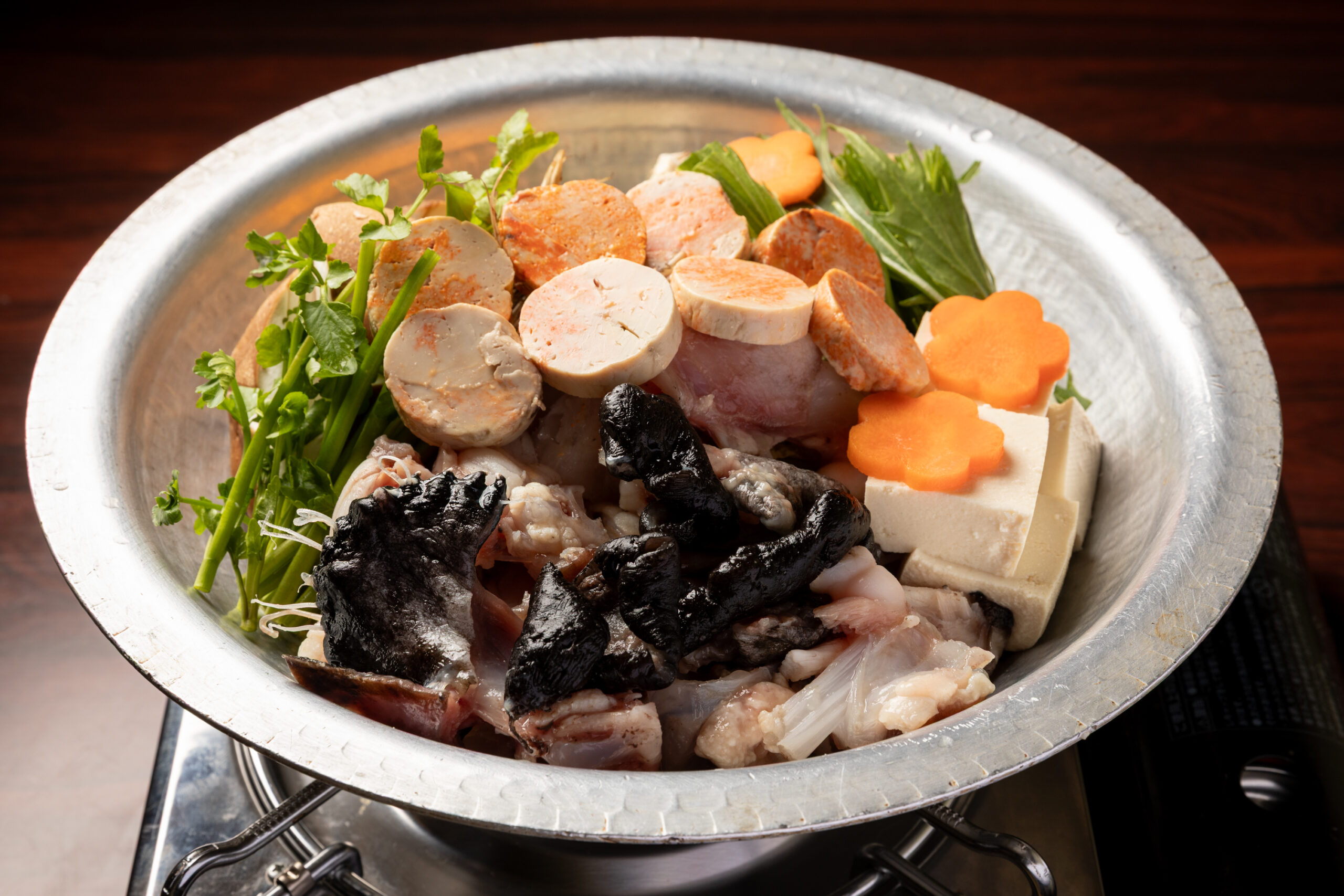
Monkfish hotpot is a must-try in autumn and winter. It is said that "no part of the monkfish is wasted," and you can enjoy it to the fullest. "The monkfish we use are caught in Yoichi, Hokkaido. They are fatty, and above all, the quality of the fat is excellent," says Kakuko. The finely textured and creamy liver is exceptional, and it alone is sure to make you want to drink alcohol.

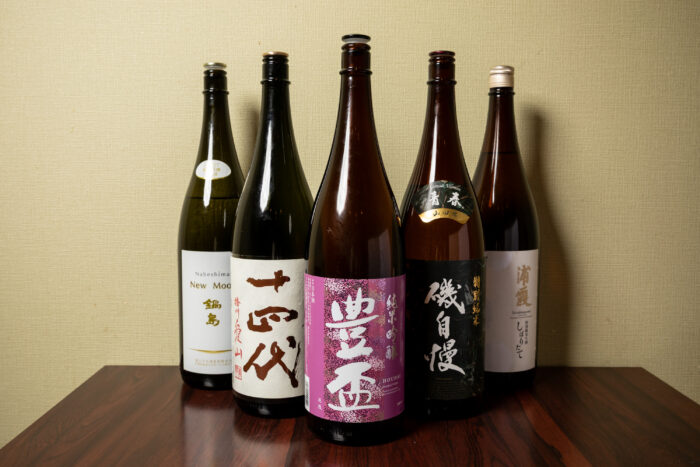
The sake that goes well with the hotpot is mainly unpasteurized sake, and the selection is sure to appeal to alcohol lovers. Just like the fresh fish, the sake is always served fresh, so the staff will always recommend some. It seems that many people discover their love for sake after visiting the restaurant.

[Monkfish hotpot (1 serving) 2,500 yen]
This monkfish hotpot is made with a dashi broth made from bonito and kelp, and finished with a soy sauce base. Orders are for two or more people (the photo shows a four-person portion). It is available from October to March.

There are always around 25 kinds of unpasteurized sake on offer, including rare brands and seasonal varieties. Fresh rotation is the specialty, and you can enjoy recommended cold sake and sake tastings at lunchtime for a great deal.
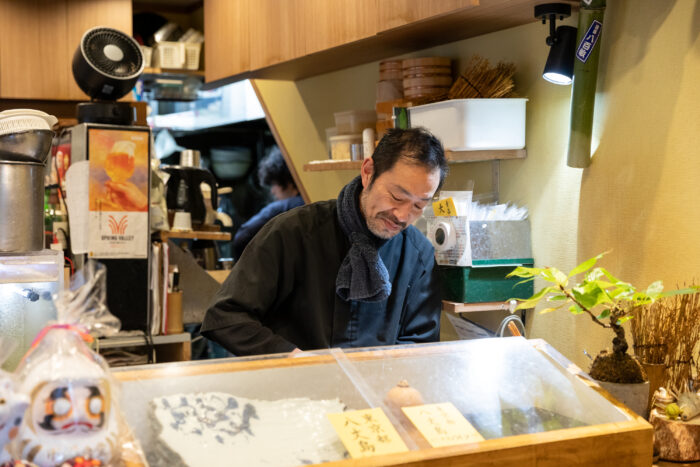
There are three counter seats in front of the kitchen. These are special seats where you can watch the chef's knife skills up close.

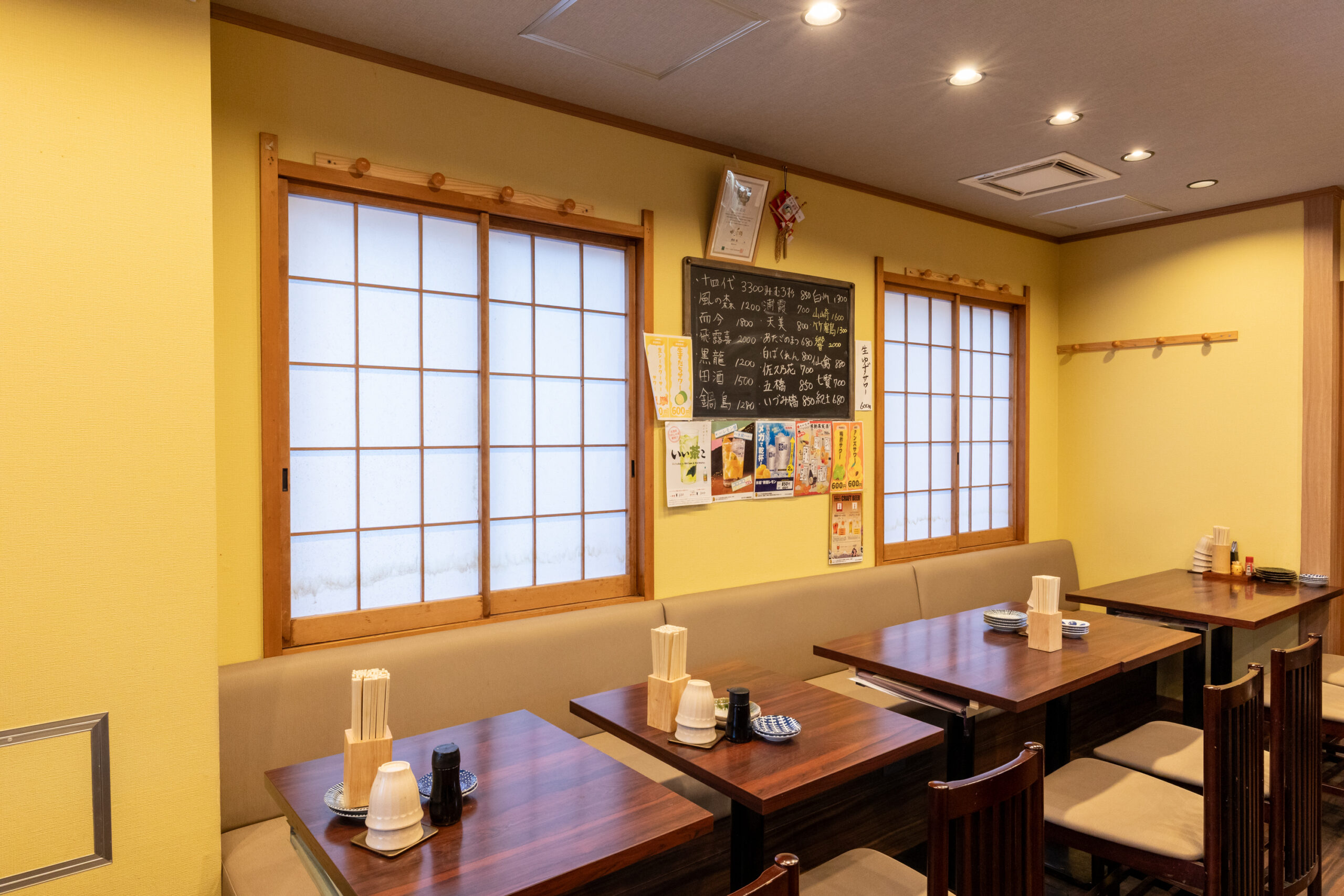
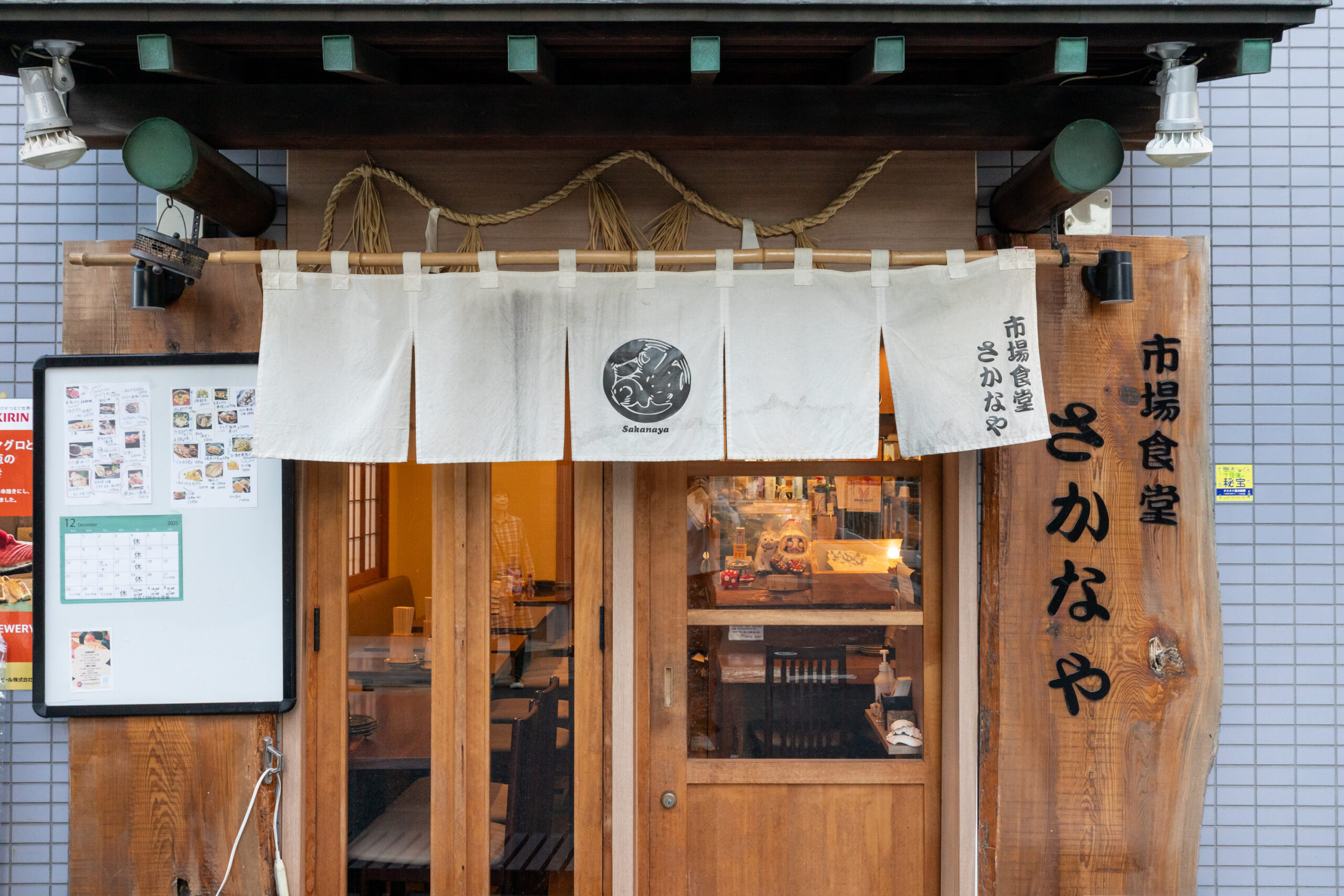
[Exterior / Interior]

【Shop information】

■Market Restaurant Sakanaya
電話:03-3881-4286
Business hours: 11:30-13:30 (LO) *Ends when ingredients run out / 17:00-22:00 (LO 21:30) *Seating is limited to two hours (Saturdays: 17:00-19:00 and 19:20-21:20)
Closed: Thursdays, Wednesdays, and other irregular holidays
Seats: 29 seats
Address: 4-11-6 Senju, Adachi-ku
Reservations: Accepted (not available for lunch)
Take-out: Available (not available during summer)
Barrier-free: Yes (wheelchairs will be directed to the counter)
Wi-Fi: Enabled
Access: Approximately 12 minutes on foot from Kitasenju Station West Exit, JR Joban Line
HP:https://www.sakanaya-senjyu.com
Instagram:https://www.instagram.com/sakanaya0301/


Akita Local Cuisine En

Although the restaurant serves local Akita cuisine, the owner, Mayumi Furusei, is originally from Adachi Ward. "My father was born in Akita. I still have relatives and acquaintances in the area, so I opened the restaurant with the desire to connect with those connections."

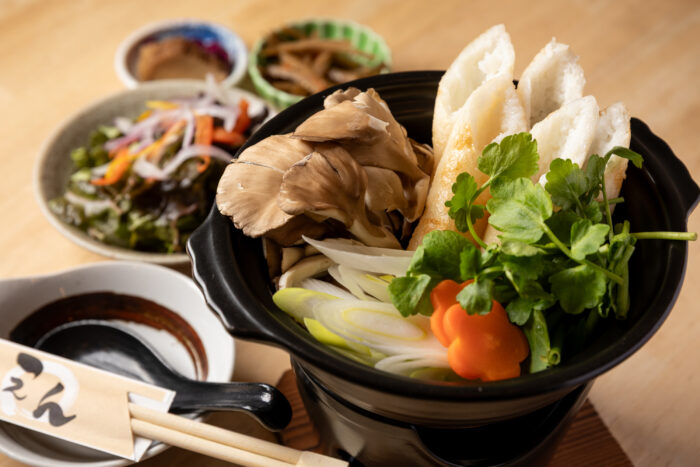
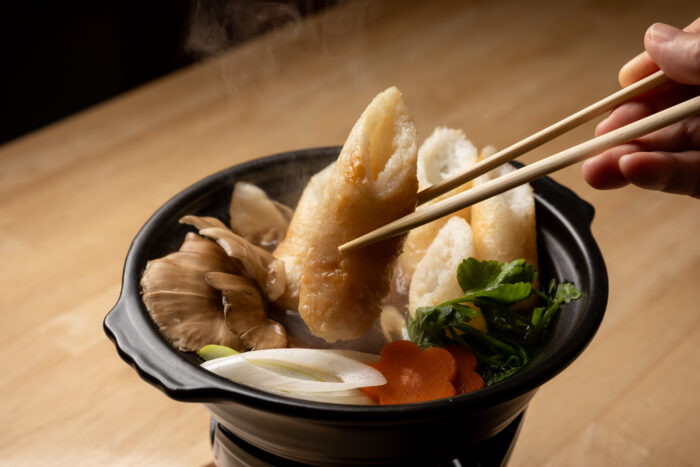
Kiritanpo nabe is a specialty dish representing rice-producing Akita. This hot pot is packed with ingredients that harmonize the rich flavor of Hinai chicken in a soy sauce soup, the savory aroma of charred kiritanpo, and the aromas and textures of parsley, maitake mushrooms, and burdock, making it incredibly satisfying. It's great that you can enjoy it all year round, not just during the cold season. Reservations are required for dinner for two people or more, but to make kiritanpo nabe more casual, they also offer kiritanpo bowls, which are served in bowls, and single-serving kiritanpo nabe, which is only available at lunchtime. They also have a great daytime drinking menu, so you can enjoy a small bowl of local sake with a side dish, and finish off with a kiritanpo nabe all to yourself. This is a luxurious way to enjoy your meal at lunchtime.

[Lunch-only Kiritanpo hotpot (with salad and pickles) 1,500 yen]
If you want to enjoy Kiritanpo hotpot by yourself, come during lunchtime. Other lunch menu items include the Hinai Jidori Chicken Oyakodon and the Inaniwa Udon and Vegetable Tempura Set from the long-established restaurant "Sato Yosuke." This offer ends while supplies last.
Kiritanpo, which was delivered by a classmate of my father's hometown, was cooked well and had a deep flavor, with the soup made from the bones of Hinai-jidori chicken blending with the rich flavor of the ingredients.
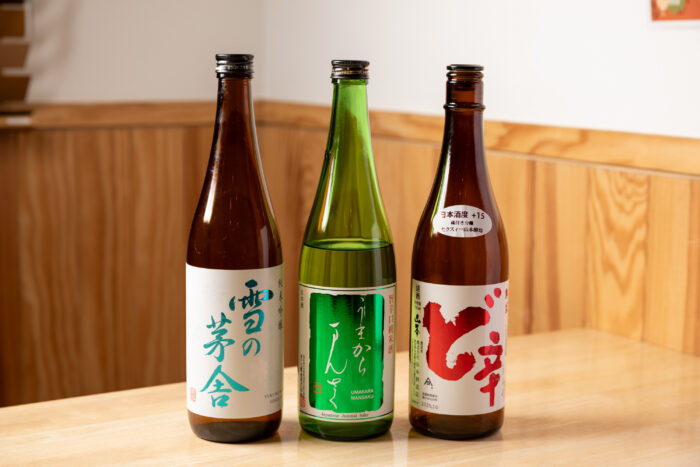
The sake selection ranges from classics to seasonal specials, and is exclusively made with local Akita sake (starting from 550 yen per glass). 4-go bottles are also available at reasonable prices, starting from around 2000 yen.

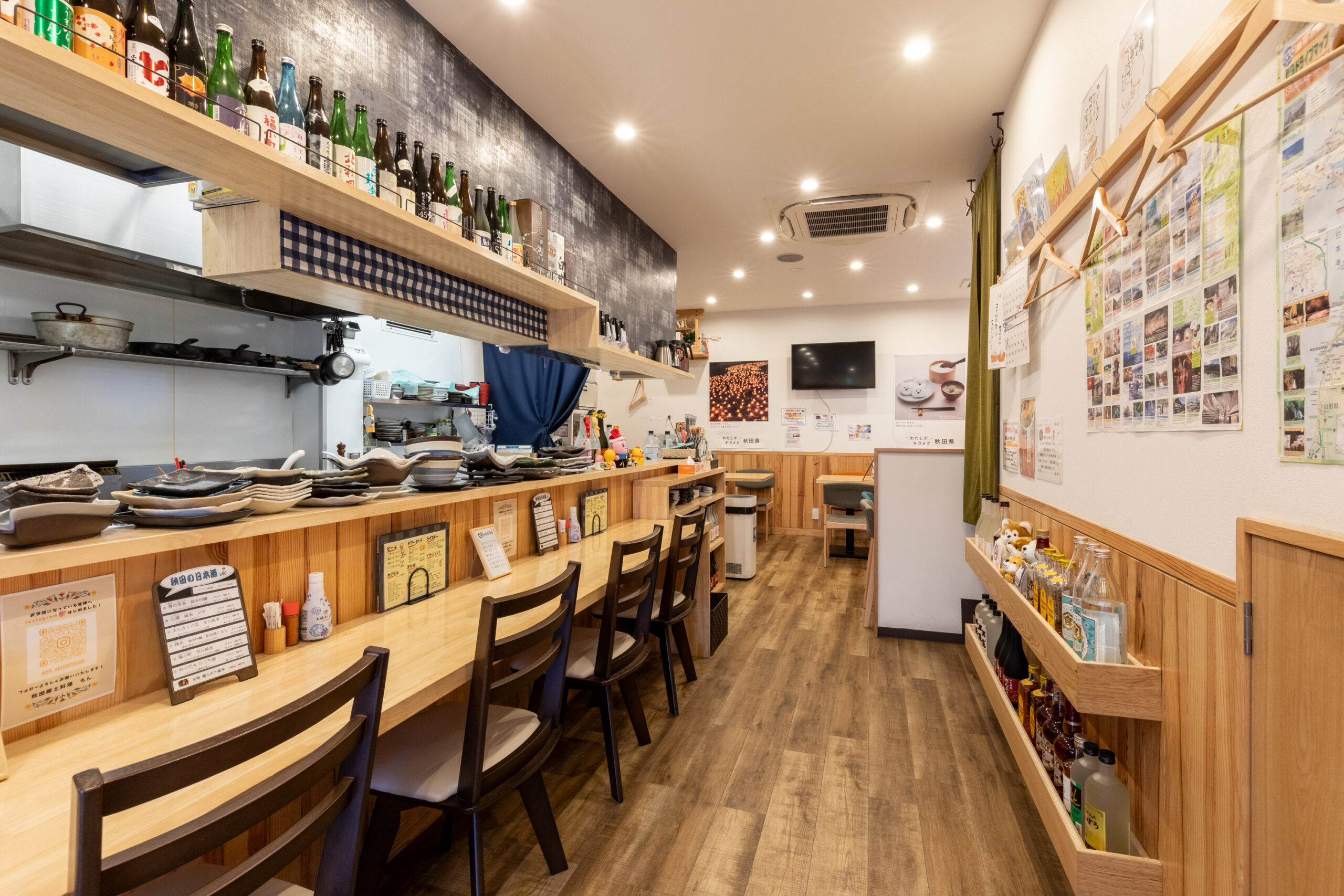
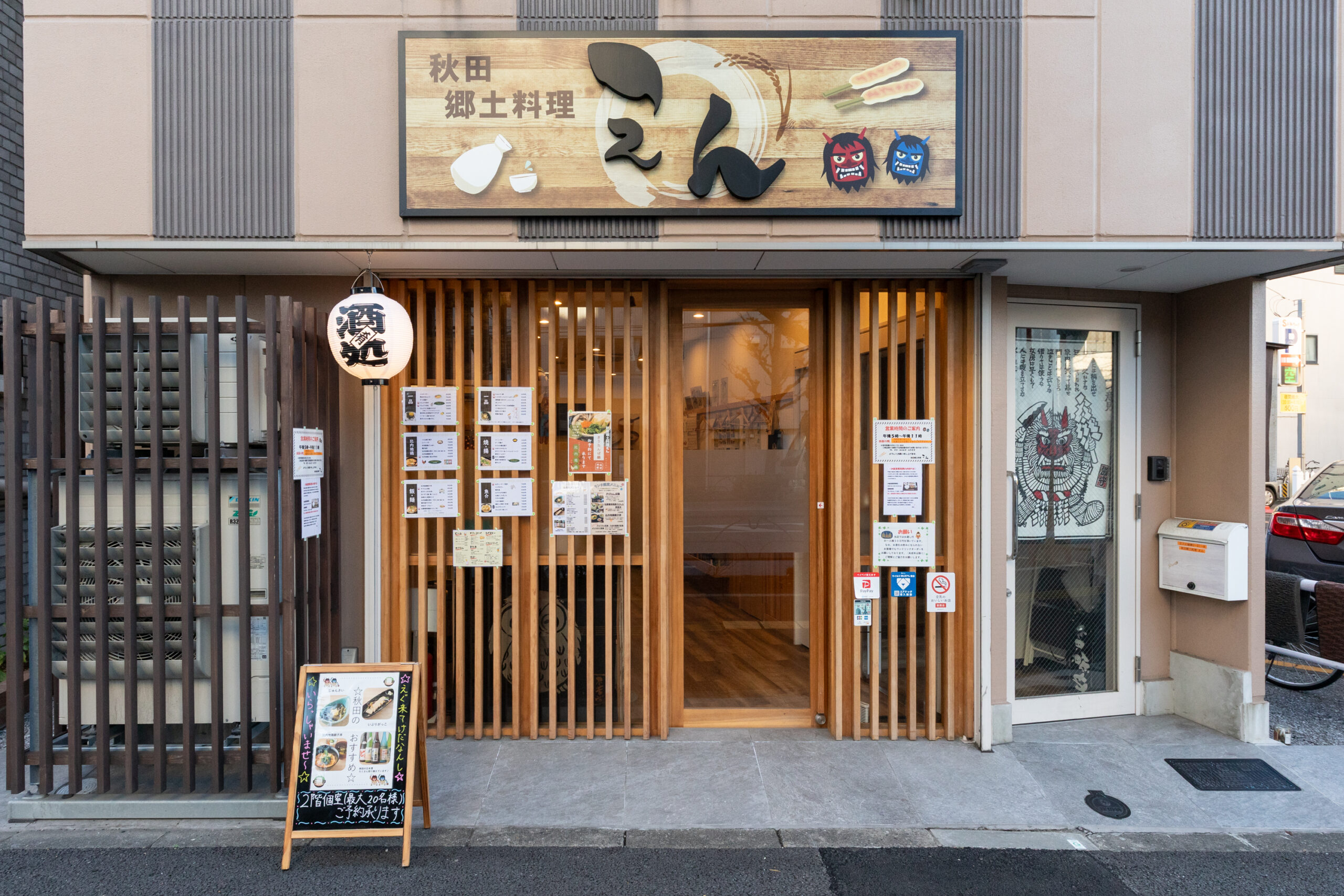
[Exterior / Interior]


【Shop information】

■Akita local cuisine En
電話:03-6662-6522
Business hours: 11:30-14:00 (Thursdays and Sundays only), 17:00-23:00
Closed: Tuesdays
Seats: 17 seats
Address: 2-21-8 Ayase, Adachi Ward
Reservation: Enabled
Take-out: Impossible
Barrier-free support: None
Wi-Fi: None
Access: About a 4-minute walk from the east exit of Ayase Station on the JR Joban Line or Tokyo Metro Chiyoda Line
Instagram:https://www.instagram.com/en_akitaryouri


Chanko Daishin

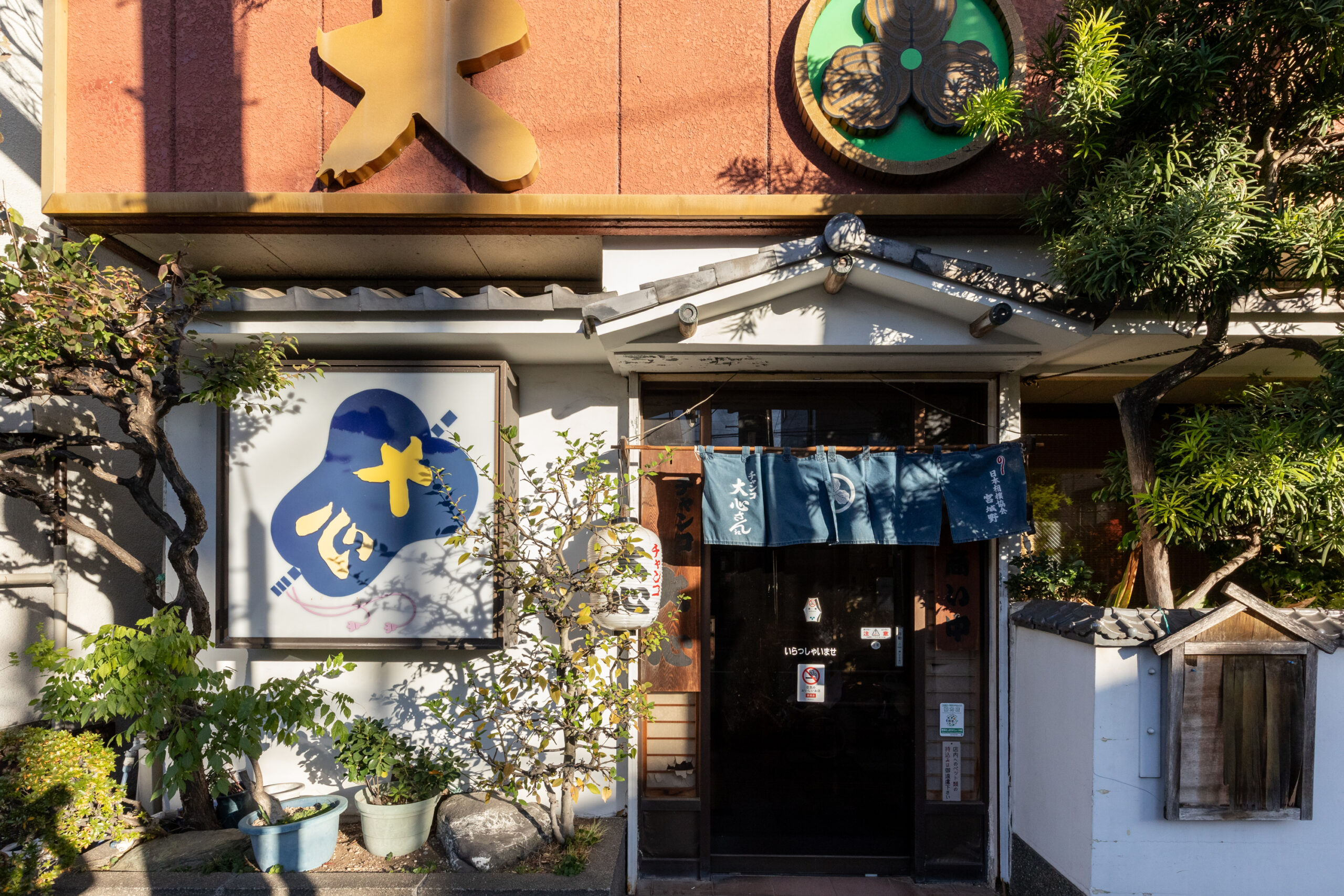
The restaurant was founded in 1968. The previous owner was a former sumo wrestler, and the restaurant's name, "Daishin," comes from his shikona (sumo name) from his active days. The taste of the chanko from the former Miyagino stable, where he was a member, is now carried on by the third-generation owner, Mr. Nagata.

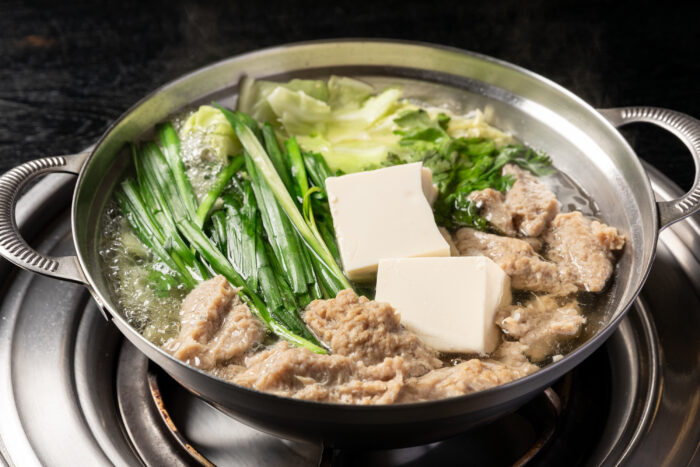
There are three types of chanko: Tsumire Chanko, Tori Chanko, and Buta Chanko. Among them, the most popular is the chanko hotpot, which features a secret recipe for meatballs made by mixing fresh, fatty horse mackerel with ginger.

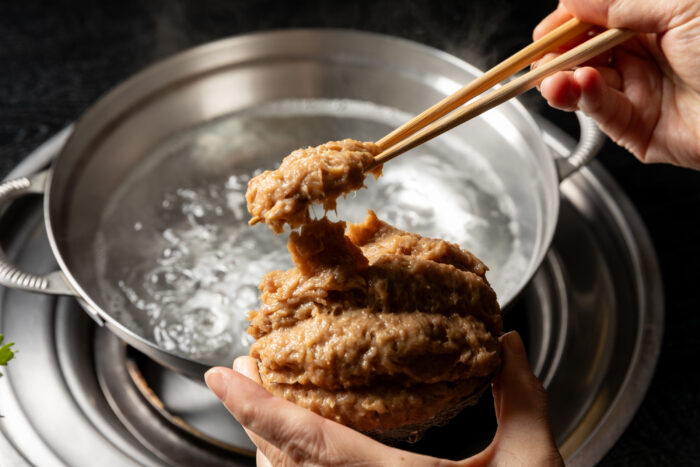
It's said that there are as many chanko dishes as there are sumo stables, and there are many different ways to serve it, but here it's a self-service style, where you add the ingredients that are brought to you into the pot and complete the meal. Once the water in the pot starts to boil, it's time for the Nabebugyo to step in. Pick up a fishball with chopsticks and place it in the pot; when it floats, it's cooked. The fishballs have just the right amount of elasticity and are served with homemade ponzu sauce. If you want to add more depth, try adding chicken or pork. The options for the final dish are as varied as rice, udon, ramen, and mochi, which can be a bit of a challenge.

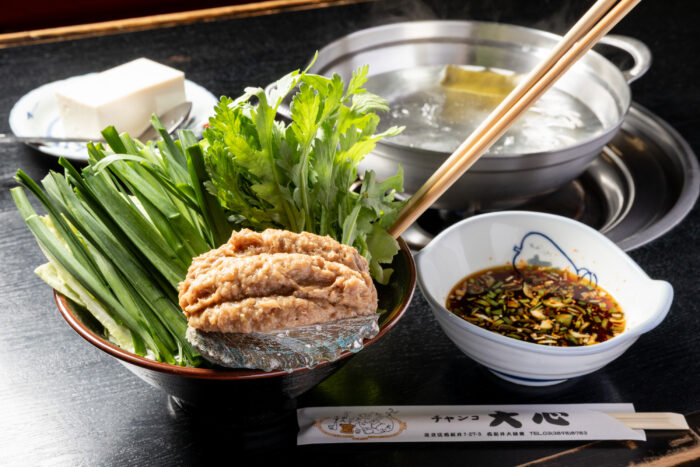
[Tsumire Chanko 2,970 yen]
The set comes with a generous amount of meatballs in an abalone shell, along with vegetables and tofu. "The portion is just right for two people to share," says Nagata. Apparently, many people also enjoy adding additional toppings.
When the water in the pot containing the kelp starts to boil, use chopsticks to cut the meatballs into bite-sized pieces and add them to the pot.
Once the meatballs have floated, add the vegetables and tofu, and once they are cooked through, serve with homemade ponzu sauce.

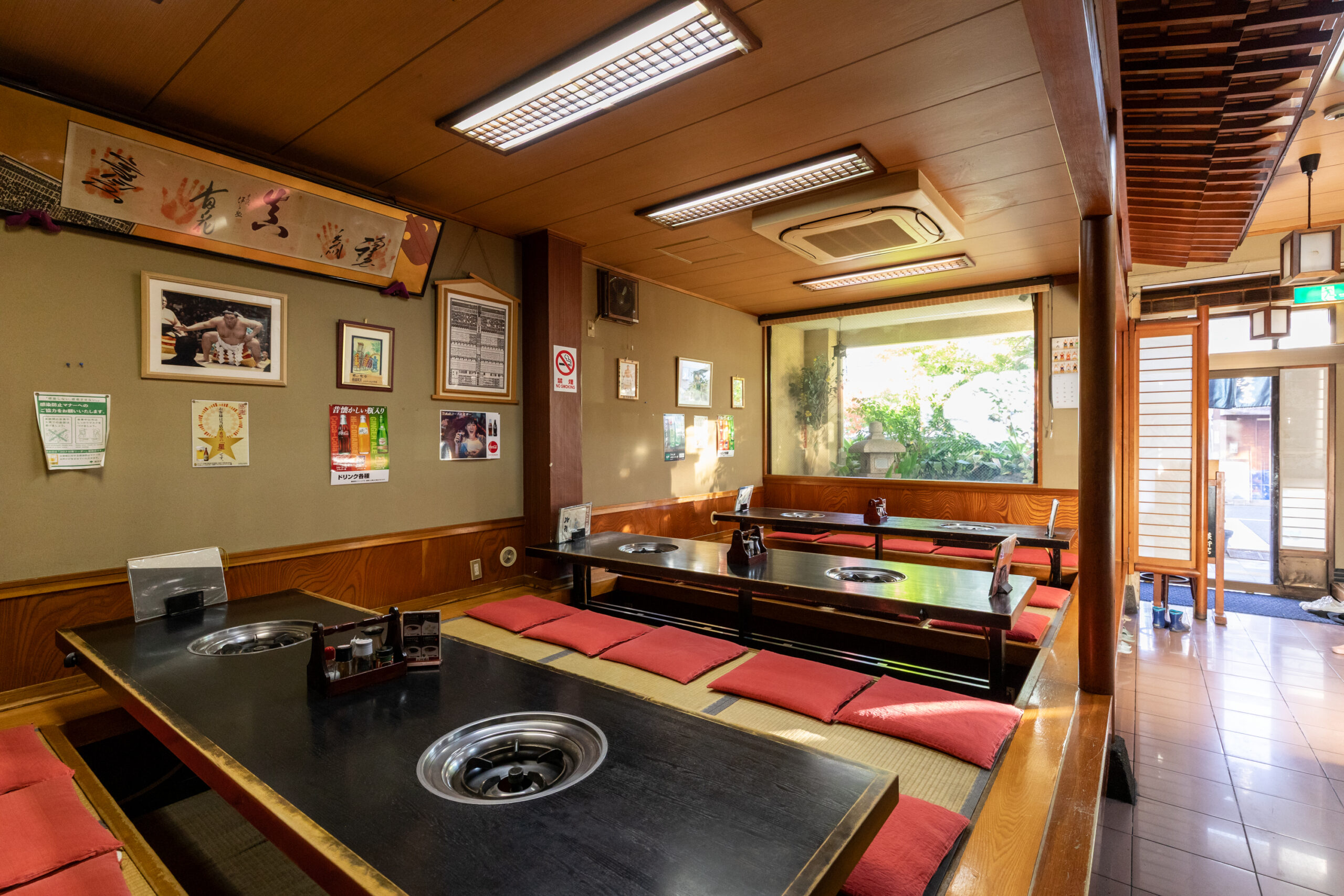
[Exterior / Interior]]

【Shop information】

■Chanko Daishin
電話:03-3898-8783
Business hours: 17:00-24:00 (may close at 21:00 if there are no reservations)
Closed: Thursdays (open on public holidays)
Seats: 40 seats
Address: 1-27-3 Nishiarai, Adachi-ku
Reservation: Enabled
Take-out: Yes
Barrier-free support: None
Wi-Fi: None
Access: 7 minutes on foot from Daishimae Station on the Tobu Daishi Line


Nagami of Senju (Senju no Nagami)

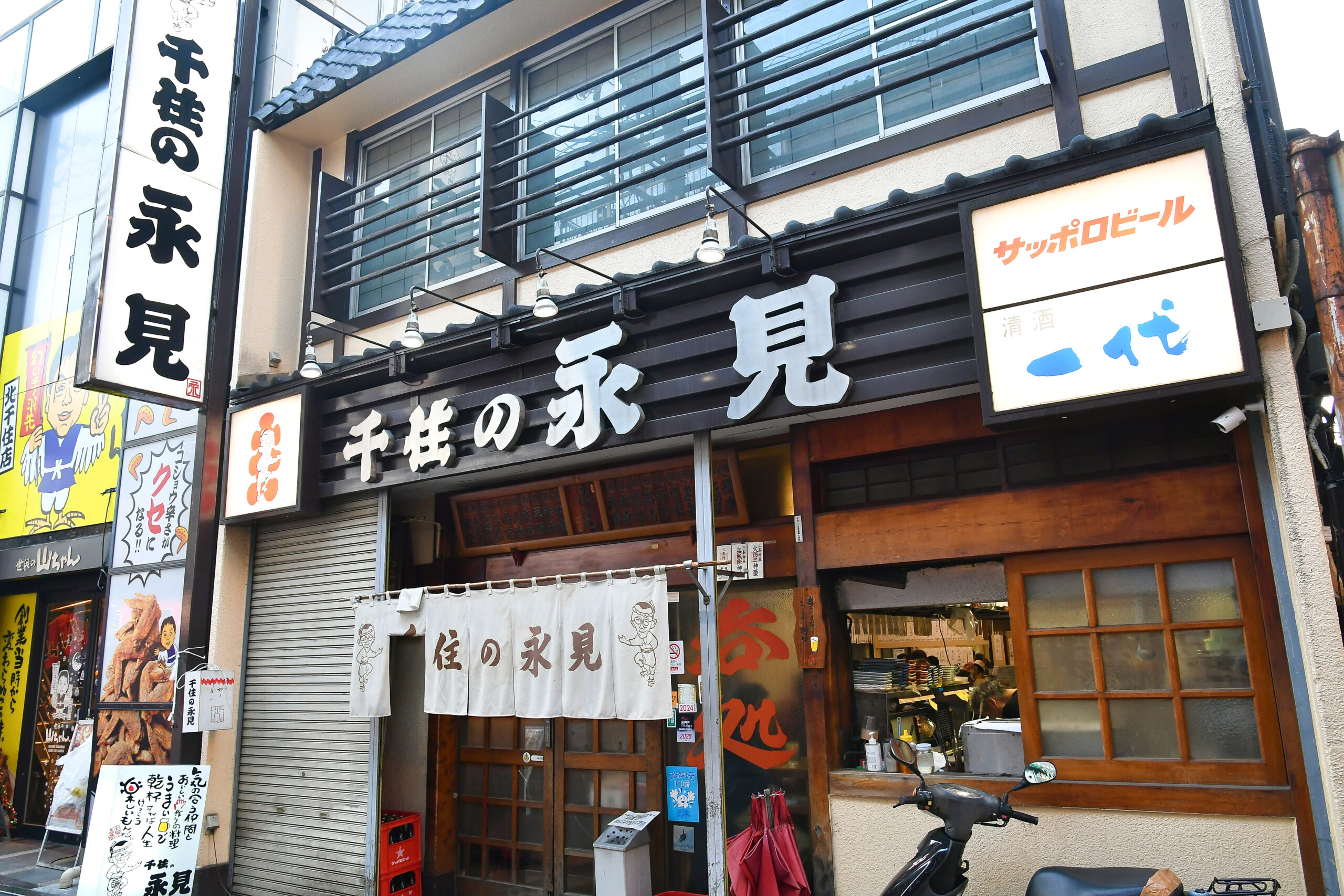
This is one of Kitasenju's most well-established pubs. Starting with Senjuage, they have many must-have signature dishes, such as grilled chicken cartilage meatballs and stewed beef, and if you look around, you'll probably see them being ordered at almost every table. In addition to the extensive standard dishes, they also offer seasonal menus, making them popular with regular customers who visit every day.

Nagami Nabe is only available in winter. "We haven't decided when we'll start serving it, but we start serving it when it starts to get chilly," says fourth-generation owner Nagami Yuma.

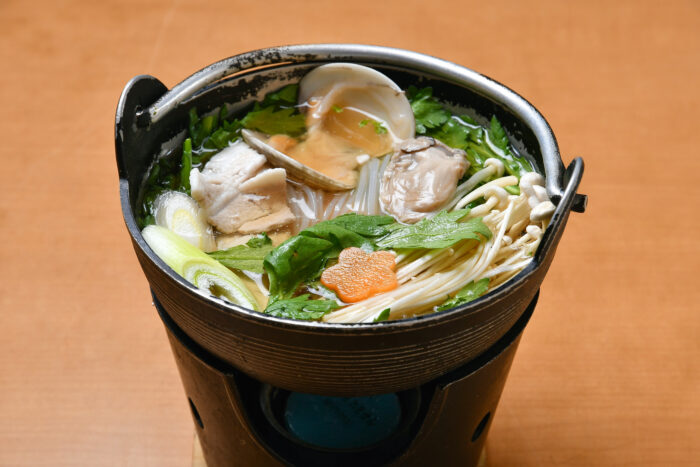
Nagami nabe is served in a small pot, based on bonito stock, and is a hotpot-style dish filled with oysters, silver cod, chicken, pork belly, vegetables, mushrooms, and more. The flavors of each ingredient create a synergistic effect, making it so delicious you'll want to drink it all up. It's also fun to enjoy a drink while watching the small pots being brought to tables here and there and the solid fuel fires being lit.

[Nagami Nabe 700 yen]
In addition to seafood, meat, and vegetables, this small pot can also be used with tofu and horse mackerel. It's warming and filling enough.
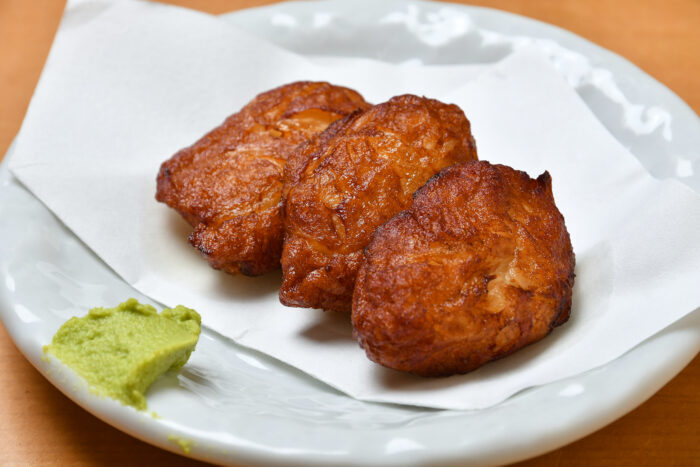
[Senjuage 470 yen]
This original satsumaage is made with several kinds of fish paste and plenty of onions. The addictive crunchiness of this dish is best enjoyed with wasabi soy sauce, Nagami style.
 
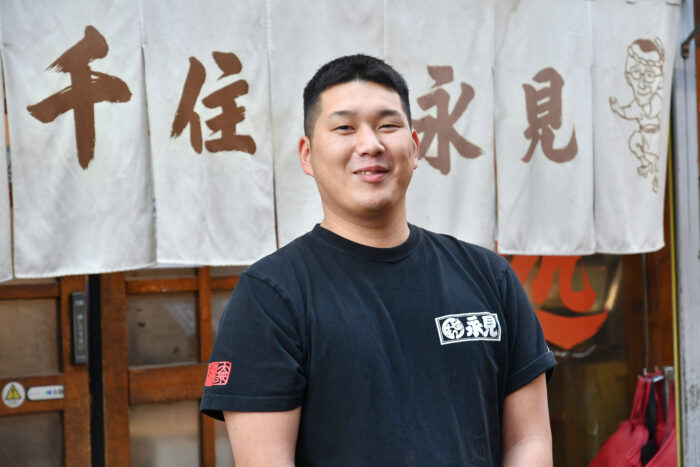
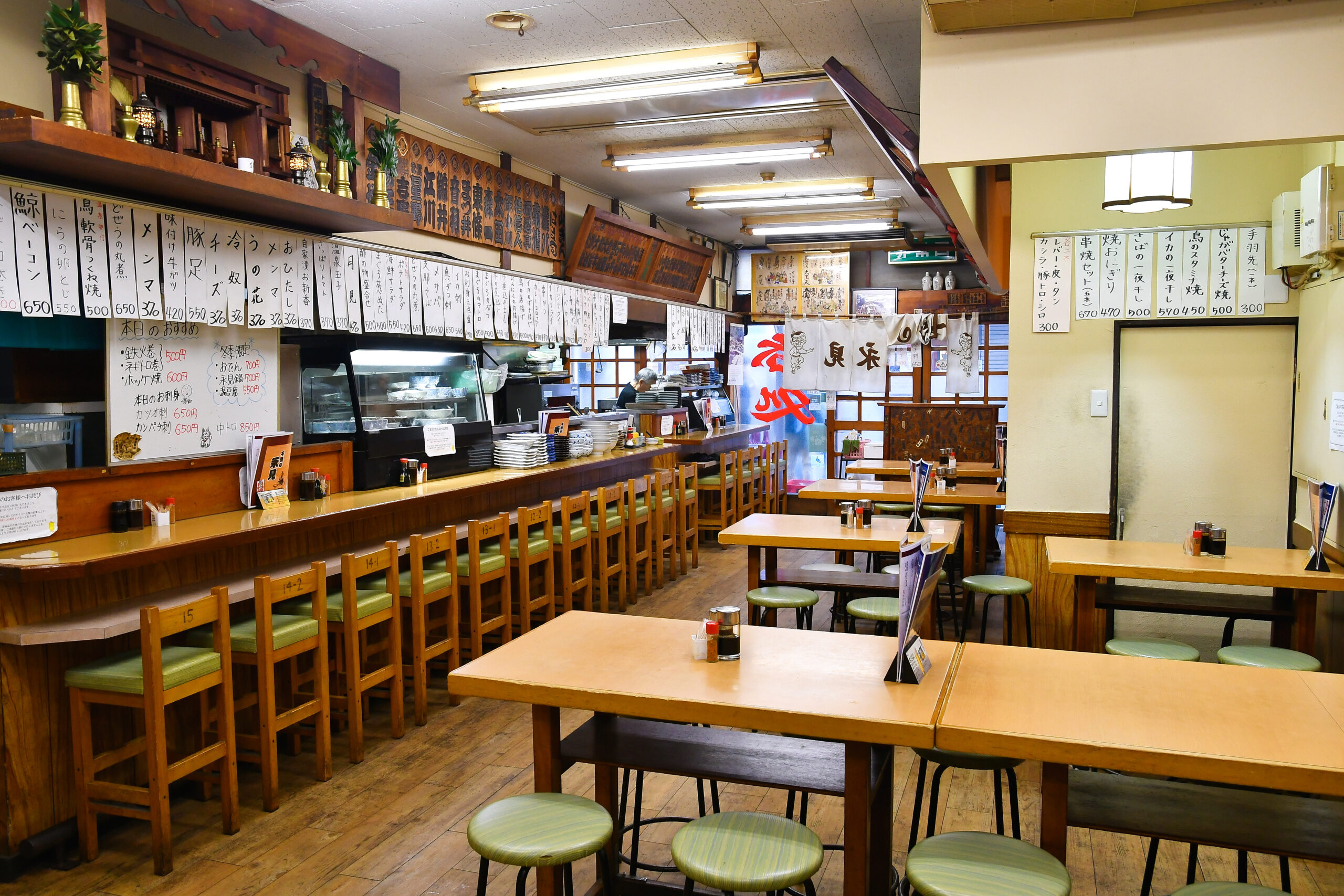
Nagami Yuma, the fourth generation owner, said, "Not only is the flavor handed down through the generations, but the nostalgic atmosphere of the Showa era and the imposing appearance of the store also add to the flavor."

[Exterior / Interior]

【Shop information】

■ Senju no Eri
電話:03-3888-7372
Business hours: 15:00-22:00 (last orders 21:20)
Closed: Sundays · holidays
Seats: 120 seats
Address: 2-6 Senju, Adachi-ku
Reservation: Enabled (weekdays only)
Take-out: Impossible
Barrier-free support: None
Wi-Fi: None
Access: JR Joban Line and others Kitasenju station west exit about 1 minute on foot
HP:Http://www.senju-nagami.com/
Instagram:https://www.instagram.com/nagami1010/


(This information is current as of January 31, 2026)

Recommended articles